Automation that reads documents earns trust by showing its confidence and stepping back when it is unsure, not by hiding the decision from the person who has to stand behind it.
Show the confidence, not just the answer
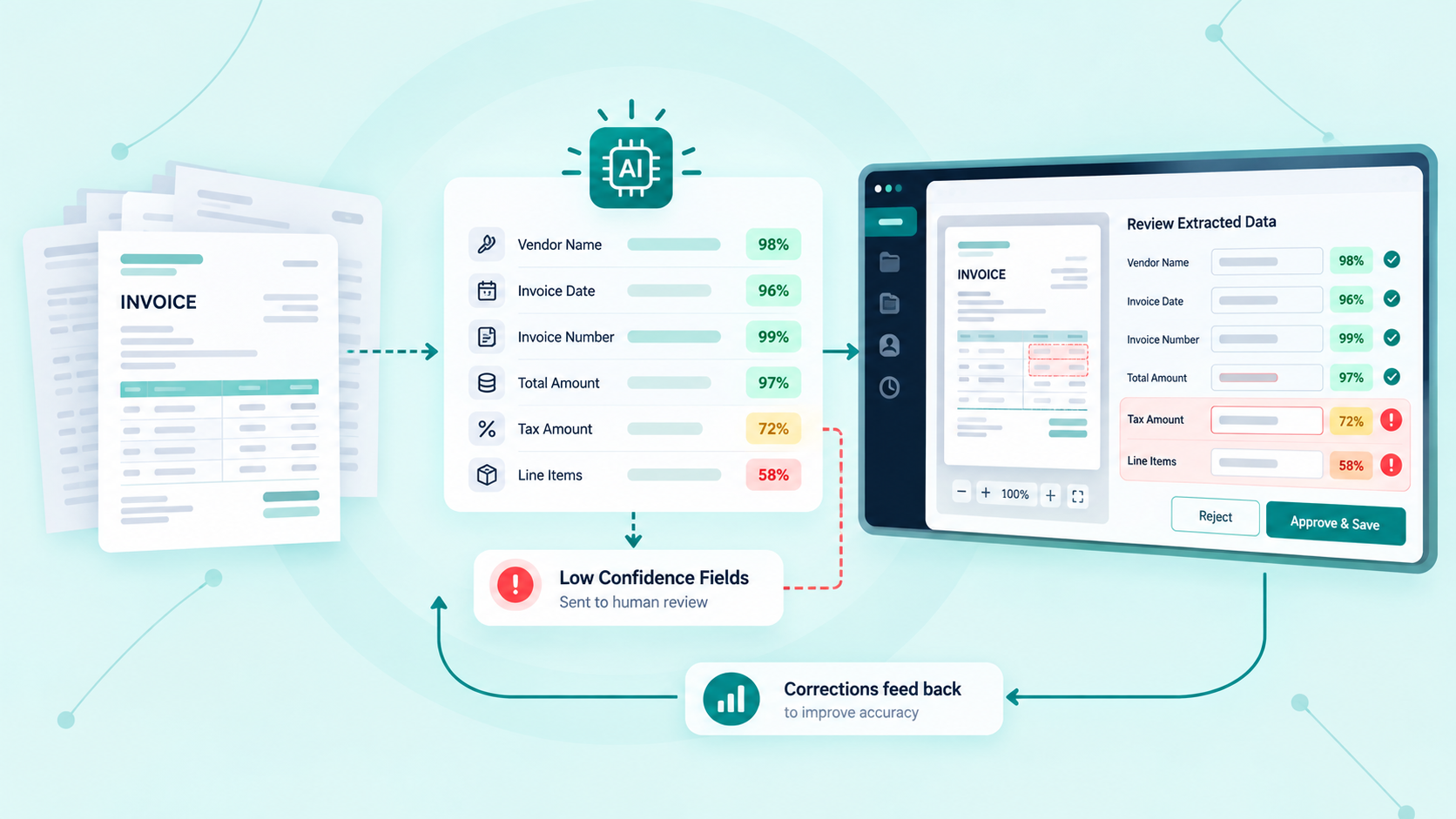
A model that extracts fields from an invoice or a CV can be right most of the time and still be wrong in ways that matter. The useful design choice is not trying to make it never wrong — it is making it visible when it is unsure, field by field, so a person can look exactly where they are needed and trust the rest.
A single confidence score for the whole document hides this. What is useful is a score per field: this amount was read with high confidence, this date was ambiguous and needs a look. That distinction is what lets a reviewer work quickly instead of re-checking everything from scratch.
Design the queue, not just the model
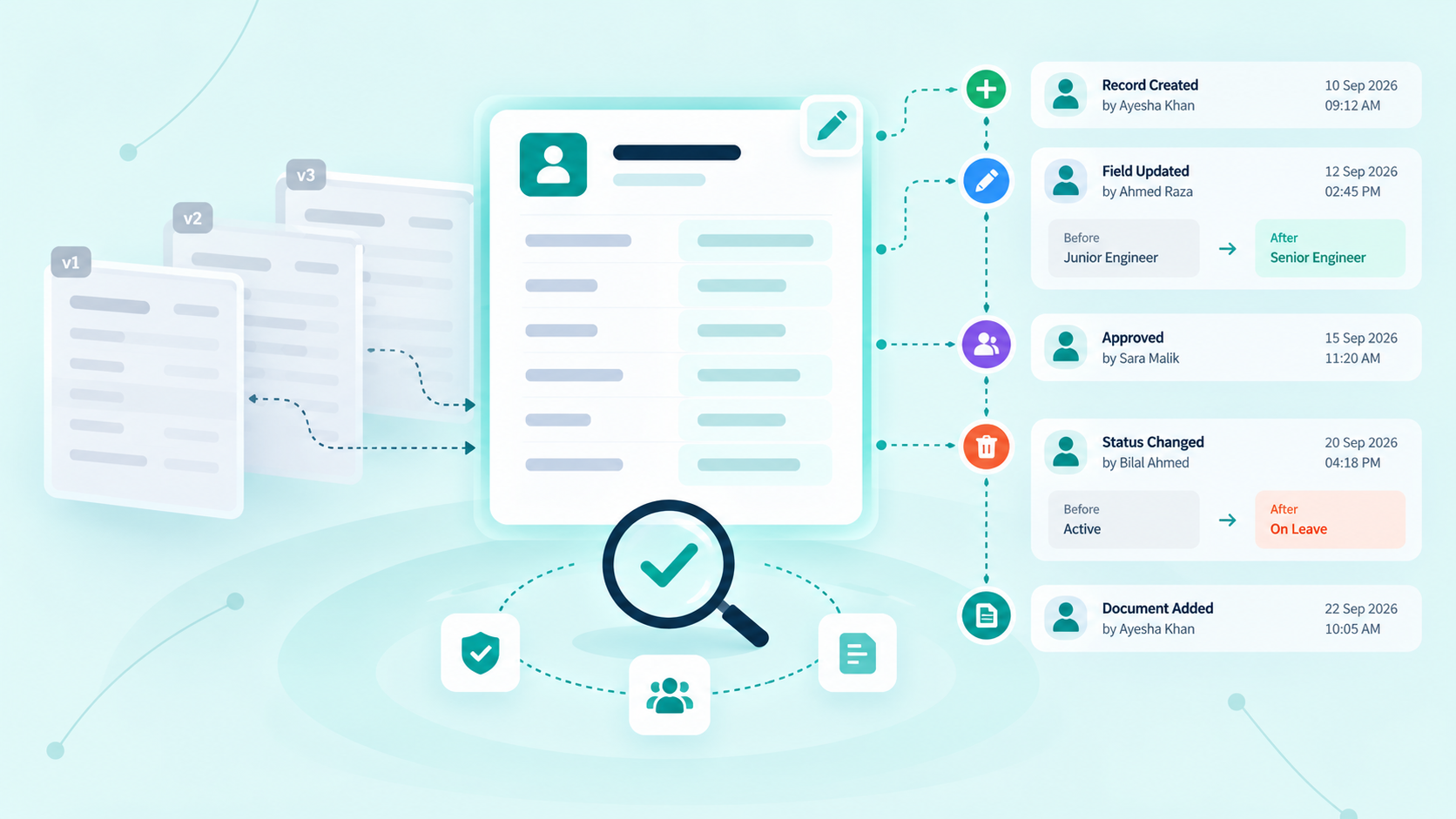
The review step is as much a design problem as the extraction itself. A reviewer needs the original document alongside the extracted fields, not a separate screen they have to cross-reference by memory, and a record of who approved what should be kept automatically, not left to a chat message or an email.
Corrections a reviewer makes are also data. Feeding them back, even informally, is how accuracy improves over time without pretending the first version of the model has to be perfect before it is trusted with anything.
“The measure of a document AI isn’t how rarely it asks for help. It’s how well it fails — visibly, and to a person who can act on it.”